
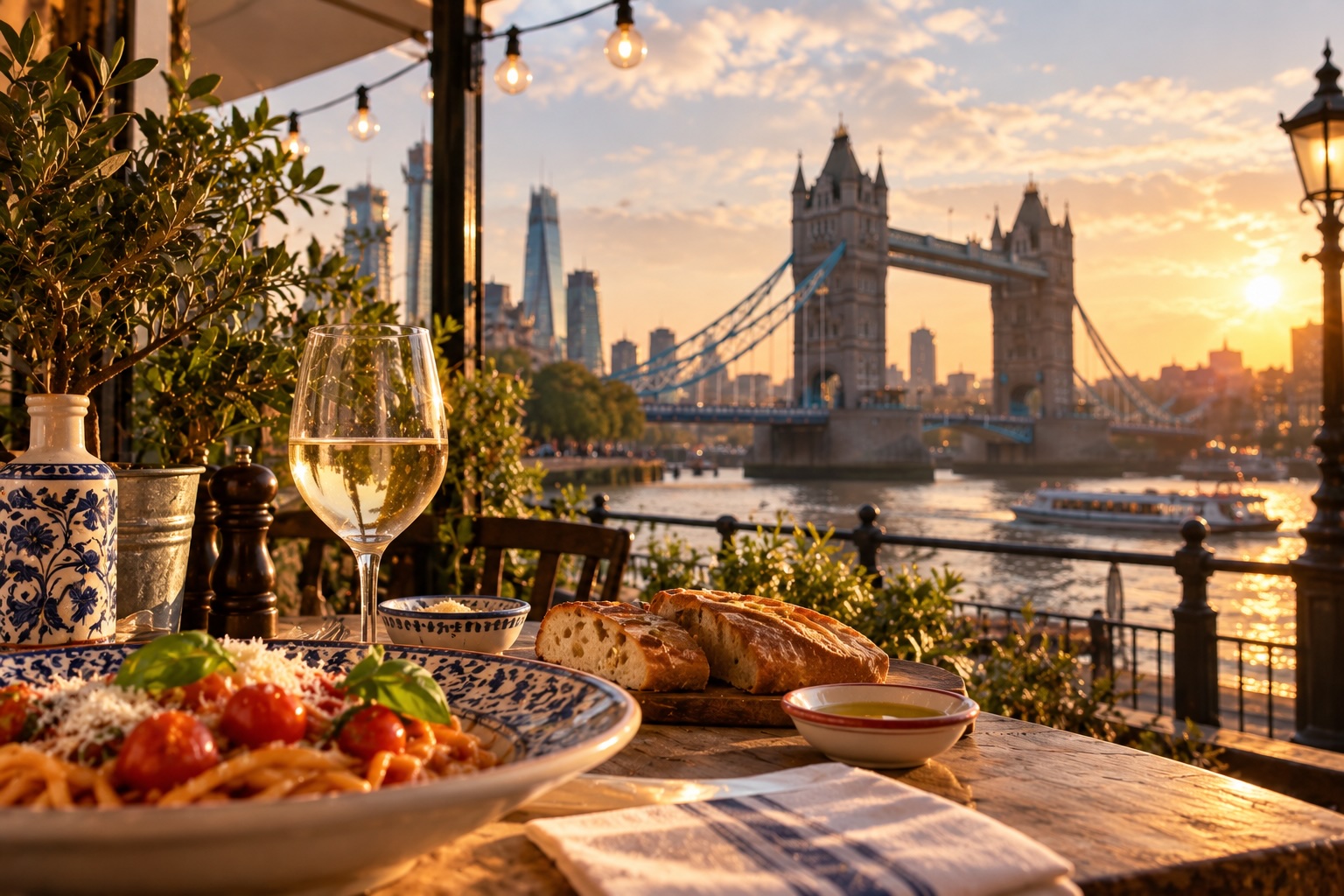
Growing up Britalian/Britalian in the UK—particularly during the mid-to-late 20th century through the early 2000s—offered a distinct, vivid experience defined by living simultaneously in two worlds. It meant balancing traditional Italian home life with British school and social life, a dynamic rich in warmth, culture, and occasional friction.
In the 50’s and 60’s things were quite difficult. Being Italian in Britain during this period was a uniquely transformative era, defined by hard manual labor, post-war recovery, and the explosion of Italian style into mainstream British culture.
Unlike later decades—when Italian living was widely celebrated as luxury—the ’50s and ’60s were marked by sharp contrasts between industrial grit, home-cooked tradition, and the sudden birth of British youth culture inside Italian-run cafes.
The 50’s and 60s were defined by:
1. The Post-War Arrival & Industrial Hubs
The Mass Migration: Following WWII, the UK needed labor to rebuild. Thousands of young men and women from impoverished, rural regions in Southern Italy (like Puglia, Campania, Calabria, and Sicily) came under government schemes or direct employer contracts.
Industrial Centers: Families settled in key industrial pockets, as an example and by no means exhaustive:
Yorkshire: Working in mining, steel works, and textile factories.
Bedford & Peterborough: Working for the London Brick Company in the massive brickyards and the car industry.
Lea Valley (Hertfordshire): Working in the massive glasshouses growing tomatoes and cucumbers.
London, Manchester, Scotland & South Wales: Working in mining, catering, factories, domestic work, and regional ice cream or fish & chip shops.
Living Conditions: Families often lived in cramped shared lodgings or basic worker quarters while saving money to send home or eventually buy their first terraced house.
2. Post-War Shadow to Acceptance
OIn the early 1950s, memories of WWII were fresh, and some locals still held anti-Italian sentiment from the conflict. To protect their heritage and find comfort, families built tight-knit networks around local Catholic churches—such as St Francesca Cabrini in Bedford or St Peter’s in Clerkenwell. These churches hosted First Communions, feasts, and processions that served as the social backbone of the community.
3. Food Before the Supermarket Era
In the 1950s, staple items like olive oil were mostly sold in tiny bottles at pharmacies as skin remedies rather than culinary staples. Families preserved food meticulously. Backyards were transformed into vegetable patches to grow zucchini, beans, and basil, while cellars housed homemade wine, cured sausages, and canned tomato passata. And some families used a trip to London to stock up on essentials.
4. Soho, Espresso Bars, and the 1960s “Cool”
In 1953, the first Italian espresso machine arrived in London’s Soho (at the famous Moka Bar on Frith Street). By the late 1950s and 1960s, Italian-run espresso bars became the epicentre for British youth subcultures like the Mods. Italian style—Vespa and Lambretta scooters, tailored suits, chrome coffee machines, and sleek hairstyles—became the height of modern British fashion.
Across Scotland and Wales, Italian family-run cafes (“Bracchi” cafes) became warm community hubs equipped with jukeboxes and ice cream counters.
5. Language & Integration
The rule in most households was strictly Italian (or regional dialects like Neapolitan, Calabriandor Sicilian) spoken indoors, with English used outside. Overtime the languages merged with Britalian being spoken at times e.g. ‘Vai a comprare u cheese..”
The overall experience across several key aspects of everyday life from the 1960s changed over time although it could have been slightly different across the UK:
The Home vs. Outside World Divide
The “House Rules”: Stepping inside an Italian home in the UK meant entering Italian territory. Italian or regional dialect was spoken, some even had TV was often tuned to Italian channels via satellite (like RAI).
Cultural Contrast: Outside, you navigated British school life, football, and British humour; inside, life revolved around family hierarchy, respect for elders, and non-negotiable family mealtimes.
Food as Identity (and Playground Debates)
School Dinners was a cultural shock. Imagine the trauma of being confronted with boiled ham and pineapple, overcooked liver and squidgy mashed potato and pies with gristle instead of pasta con ragu or cotolette con patate al forno. My mother was called in because I refused to eat swede. When I explained to her what I was being given she told Sister St. Bride the headmistress “we feed that to pigs in italy…”
Lunchbox Culture: If you were lucky enough to experience packed lunches and long before authentic Italian ingredients were widely available in British supermarkets, some parents sent kids to school with homemade frittata, pieces of chicken or cutlets – this stood in stark contrast to British packed lunches of crisp sandwiches and processed cheese. The creative Britalians managed to sneak Marsala or Grappa into an Outspan orange drinks container…
Sunday Dinners & Annual Traditions: Sundays were sacred, built around hours-long family lunches. Aunt, uncles and cousins would turn up teh uncles wouls try to catch a Serie A match on short wave radio. The year was also marked by seasonal food rituals—making tomato passata in late summer, curing sausages or soppressata in winter, and stocking up on imported panettone at Christmas.
The Corner Shop/Café Legacy: Many Italian families who arrived in the post-WWII era established cafes, ice cream parlours, or fish and chip shops across Wales, Scotland, and England (such as London’s Clerkenwell/Little Italy or the Bedford Italian community). Growing up often meant helping out in the family business after school or on weekends which, for boys, tended to interfere with playing football.
Community and Dual Identity
Clothes could be highly contentious. Those that came back from summer holidays with the latest Italian fashion would be confronted by bewildered brits e.g. Gucci Style Loafers – “why are you wearing girl’s shoes?”
Catholic Church & Social Clubs: Unlike the Poles, few communities had an Italian Catholic parish or cultural club as anchor of social life. However, the church was a place where Baptisms and Weddings were major communit brought extended networks together and where Irish priests that had studied in Rome could show off their knowledge of Italian. Strangely though, at least in Leeds, everytime a May procession was held, Mary was always an Irish girl…
The Dual Loyalty in Sports: Supporting you local team was the orom but it did not stop you also supporting one or more other Italian sides. That was usually differnt for International football tournaments (like the World Cup or Euros) brought out intense pride. Supporting Gli Azzurri while living among England or Scotland fans created a high-stakes rivalry at school and work.
The Evolution of Perception
From Niche to Celebrated: In the 1960s and 70s, Italian habits—like drinking espresso, using garlic, or using olive oil (which was briefly sold mainly in British pharmacies for medical use)—were viewed as exotic or unusual.
The Modern Shift: Over the decades, as British food culture embraced Italian cuisine and lifestyle, growing up Brtalian shifted from feeling “different” to being celebrated for having a rich, stylish, and enviable heritage.
How does this resonate with your experiences?